The Fabric of Health
Support your well-being and the environment with eco-friendlier materials
As microplastics, endocrine disruptors, and forever chemicals have made their way into everyday discourse, it’s easy to fixate on what goes into our bodies, but what we wrap our bodies in is just as important. From our socks to our scarves, garments made from sustainable fabrics have stretched—literally—the possibilities for mindful adornment. Your body and spirit will thank you for switching from plastic-based fabrics to these conscious alternatives.

Photo courtesy of Gisele
Little Linen Luxuries
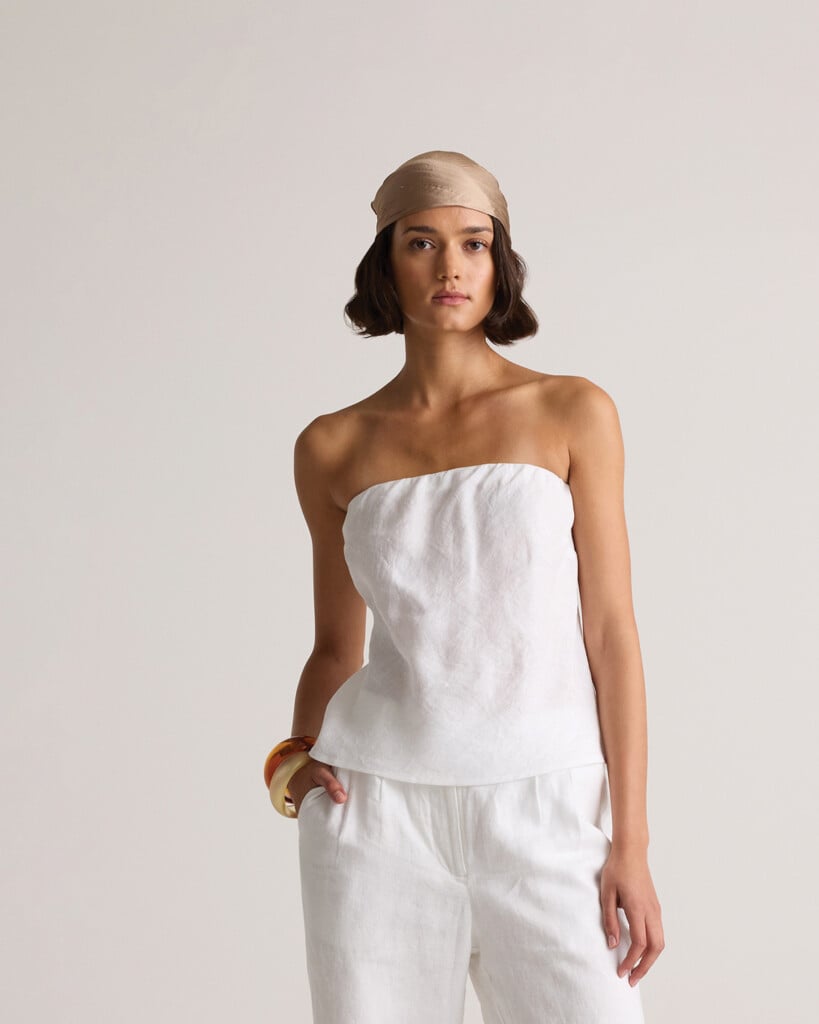
Like cotton, linen is one of the first documented fabrics. Derived from the flax plant, which is native to the eastern Mediterranean into central Asia, we know linen for its breathable, lightweight, and Florida-approved moisture-wicking. Even with its wrinkle-prone quirks, linen brings a polished look to everyday warm-weather wear. It ages beautifully and comfortably, especially if washed in cool water and line dried.
Ten out of Tencel
TencelTM is a name-brand lyocell material produced in Austria from sustainably harvested wood pulp. Similar to modal in composition and texture, it’s great for activewear, bedding, and layering pieces because it’s naturally antibacterial (and biodegradable, when the life of the product is complete). This material is durable but stays silky if air-dried and washed in cold temperatures.

Photo courtesy of Lululemon
Beechy Keen
Modal is derived from the cellulose of beech tree pulp, dissolved, and spun into a breathable and highly absorbent fiber. Modal is commonly used for pajamas and lightweight tops because of its extremely soft, almost silk-like texture and ability to withstand shrinkage and color fade. This material does best on a gentle cycle in the wash and a low-heat dry.
Cotton to Better Things
Timeless organic cotton, often grown in the warm and humid climates of India and the United States, has been documented as a raw material for garments for thousands of years. Turn back the clock by swapping out everyday essentials like T-shirts, undergarments, baby clothing, and sleepwear. Look for the OEKO-TEX Standard 100 label, which ensures the raw material is free of toxins, PFAS, pesticides, and formaldehyde.
Because cotton is hypoallergenic, it’s perfect for those with sensitive skin. These fibers are best preserved by washing in cold water and air drying. Try hanging clothes outdoors on milder Florida days. If placed near flowers like jasmine, you might even end up with a natural laundry freshener.